Table Of Content

You're probably wondering how to treat it or, at the very least, how to prevent it from getting worse. Are you seeing excess hair on the floor of your shower or thinning areas of hair on your scalp? If you have just started or stopped hormonal contraceptives, you may wonder if your birth control is to blame for your hair loss. Hormonal methods of birth control can cause hair loss in some women, so you are not alone if this happens to you. But there are few studies on the mental health effects of birth control on women and their well-being. Only recently did a 2017 study look at a small sample of 340 healthy women and find that oral contraceptives significantly reduced overall well-being.

HAIR GROWTH CYCLE
The hormones found in birth control can sometimes affect the lining of the uterus, making it difficult for the egg to attach to the uterine wall. Read more about how birth control can cause hair loss, as well as its benefits, risks, and other symptoms. When using certain hormonal contraceptives such as the IUD Mirena, you might experience lighter and shorter periods and an easing of menstrual cramps and premenstrual symptoms. However, no form of hormonal birth control protects against sexually transmitted diseases (STDs).
Nextstellis side effects: What they are and how to manage them - Medical News Today
Nextstellis side effects: What they are and how to manage them.
Posted: Mon, 29 Jan 2024 08:00:00 GMT [source]
Can The Contraceptive Pill Cause Hair Loss?
A patient with alopecia is likely to experience decreased self-esteem, increased anxiety, and decreased quality of life. Determining the cause of the alopecia as efficiently as possible can help patients reach the best-possible outcome. The good news is that hair loss from birth control is often only temporary. Once your body gets used to the hormones in your contraception method, hair loss should visibly decrease.
Medical Professionals
Learn more about hair loss treatments and remedies and how Nioxin products can help if you are struggling with any type of hair fallout. Our range of haircare products and treatments are created to target all types of thinning and hair loss problems, whilst also helping you achieve thicker, fuller-looking hair. Hormonal hair loss is partially attributed to the hair growth cycle.
He writes regularly about the science behind hair loss (and hair growth). Feel free to browse his long-form articles and publications throughout this site. Some women experience hair loss after starting and/or stopping hormonal contraceptives, while others find that “the pill” can improve their hair density or even hair loss from PCOS. In some cases, that review even argues that birth control can improve hair growth… with one study showing that 22% of females on oral contraceptives saw increases to hair density. In early pregnancy, fluctuations in progesterone and estrogen levels (alongside increases to stress) can lead to temporary hair shedding. Oral contraceptives help to emulate the hormonal profile of a pregnant woman.
Related Articles
Postpartum Hair Loss: Your Guide to Shedding After Pregnancy - Parents
Postpartum Hair Loss: Your Guide to Shedding After Pregnancy.
Posted: Fri, 29 Sep 2023 07:00:00 GMT [source]
Birth control pills that raise levels of androgens like dihydrotestosterone (DHT) may contribute to this type of hair loss. This can happen due to hormonal fluctuations that trigger hair to enter the shedding (telogen) phase prematurely, leading to a temporary increase in hair loss known as telogen effluvium. Some birth control pills can also exacerbate androgenic hair loss, especially in women with a genetic predisposition.
Some hair loss may occur when first starting the pill or if the pill is stopped after having been taken for a period of time. As always, it’s crucial that women do their research when considering which birth control method will work for their needs and lifestyle. Talking to an experienced gynecologist about concerns regarding hair loss and birth control can also help with considering any fears and reservations.
What is hormonal birth control?
The level of risk varies based on the type of pill and your individual response to hormones. Another form of hair loss we may experience when using hormonal contraception is androgenetic alopecia (or male pattern hair loss). This is caused by the synthetic hormones found in different types of birth control (like progestin, the active ingredient in oral contraception), stimulating androgenic activity.
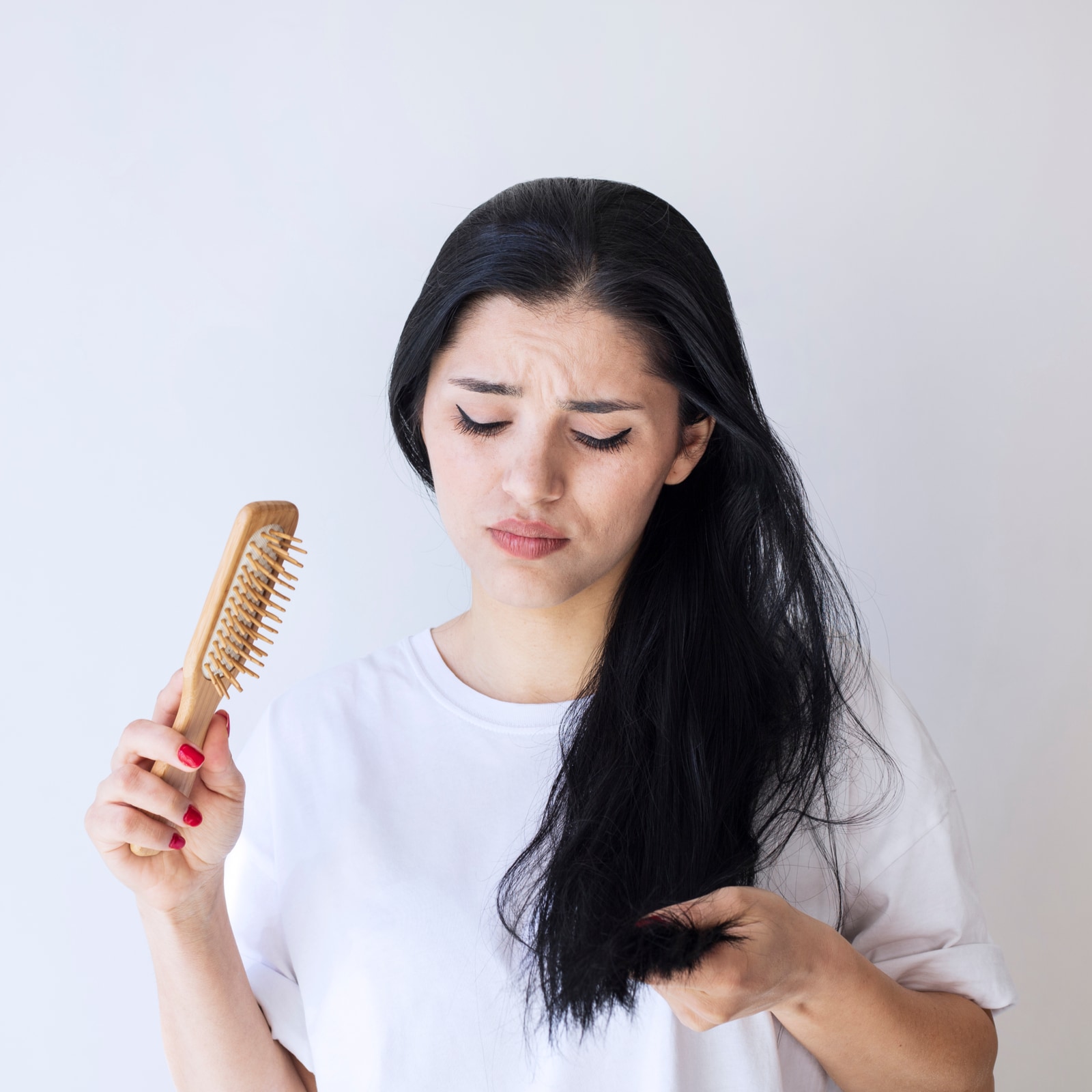
While the exact reason for this type of hair loss is unknown, it is generally understood that “the immune system mistakenly attacks hair follicles, leading to hair loss,” she adds. If you’ve noticed an excessive amount of hair shedding, a receding hairline, or that the hair on the crown of your head becoming increasingly sparse, you’re probably experiencing a form of hair loss. Losing your hair can be a distressing experience, but you’re not alone. Because progestin is the possible culprit, the progestogen-only pill (aka mini-pill), as well as the combined contraceptive pill, both have the potential to cause hair loss or thinning as a side effect.
This may lead to increased permeability of the intestinal barrier, allowing bacteria, toxins, and inflammatory bacteria membranes into systemic circulation. Preliminary research suggests that estrogen-containing birth controls – like COCs and the NuvaRing® – may have an amplifying effect on inflammation. According to that 1973 review, we shouldn’t worry about temporary shedding from “the pill” – because this shedding doesn’t present significantly at the population-level. Talk to a health care provider for their opinion on whether this medication could be a good option for you.
Hereditary hair loss with age is the most common cause of baldness. Some people prefer to let their hair loss run its course untreated and unhidden. Others may cover it up with hairstyles, makeup, hats or scarves. And still others choose one of the treatments available to prevent further hair loss or restore growth. Millions of women are prescribed the pill each year in this country, but very few are aware that oral contraceptives are a common trigger of hair loss for many who use them. Some hormonal birth control is also linked to nutrient depletion and increased inflammatory biomarkers – which may increase the risk of hair loss for certain groups of women.
A 2018 study evaluating the supplement's effectiveness found that 80% of participants in the Nutrifol group had hair growth improvement compared to 46% of those given a placebo. "A hair care regimen that allows the protective layer, or cuticle, to remain intact for as long as possible will decrease breakage and drying out of the hair strands," says Dr. King. "So, keep your hair moisturized with hair conditioners, creams, and oils that help to avoid dryness and therefore decrease the risk of damage and breakage." Consuming plenty of fresh, whole food, like vegetables, fruits, and whole grains, is good for your hair and body as a whole. "A well-rounded diet with sufficient protein, calories, vitamins, and minerals, and no crash or restrictive dieting, is best for hair growth," says Dr. King. Sign up for Pandia Health and our expert birth control doctors will find the best treatment for you.